
CSIRO has completed the first high-resolution 3D mapping of Lake St Clair in Tasmania, confirming it as Australia’s deepest lake at 163 metres. The mapping project used multibeam sonar and LIDAR to reveal steep underwater cliffs, ravines and rock formations that have not previously been documented.
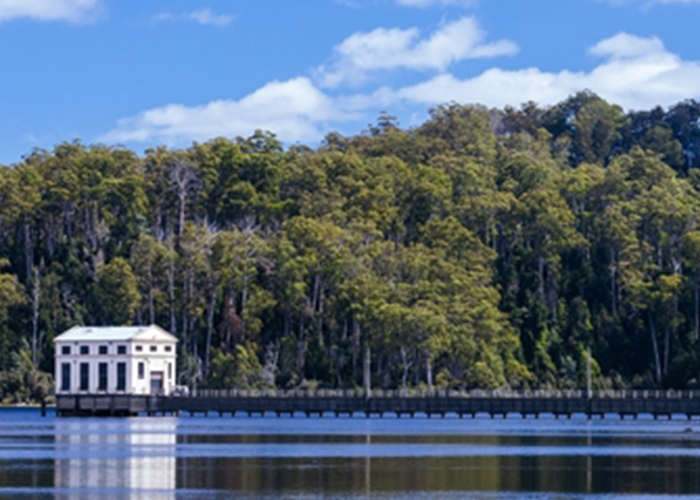
Lake St Clair, located within the Cradle Mountain–Lake St Clair National Park, was formed by ancient glaciers but its exact depth has long been uncertain, with past estimates ranging from 160 to 215 metres. The new measurements place its maximum depth far below any other lake in the country, and even deeper than Bass Strait.
CSIRO hydrographic surveyor Augustin Déplante said the detailed mapping resolves long-running uncertainty about the lake’s depth and provides new insight into its underwater terrain. The deepest point was identified near the western shore, around four kilometres north of the visitor centre, with several other sections also exceeding 150 metres.
The data will be shared with researchers and government agencies to support studies of the lake’s underwater habitats, its geological history and navigation safety. It will also be used to assist future projects, including trials of autonomous underwater vehicles.
The mapping was conducted over eight days using an 8-metre twin-hulled research vessel and a smaller unmanned craft known as the Otter, which was able to reach shallow areas inaccessible to larger boats. The combined sonar and LIDAR results were merged into a single 3D dataset that captures features as small as 50 centimetres.
In addition to detailing fallen shoreline trees and submerged formations, researchers noted several unexplained structures on the lakebed. While none point to mythical creatures, the dataset offers a new level of visibility into one of Australia’s most remote lake environments.
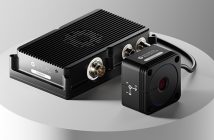
The project was led by CSIRO’s Engineering and Technology Program in Hobart, with support from the Autonomous Sensors Future Science Platform, and used Norbit multibeam systems supplied by Seismic Asia Pacific.