
RFiD Discovery has launched an automated contact tracing solution aimed at helping hospitals strengthen infection control and reduce the spread of healthcare-associated infections, addressing a long-standing challenge in complex clinical environments.
Healthcare-associated infections affect millions of patients globally each year, extending hospital stays, increasing mortality risk and placing sustained pressure on already stretched clinical resources. While contact tracing is a critical tool in infection prevention, manual processes are often slow, labour-intensive and incomplete, particularly in large hospitals with high patient and staff movement.
RFiD Discovery’s new Automated Contact Tracing for Infection Control solution is designed to remove much of that manual burden by capturing accurate, real-time proximity data across hospital settings. The system uses Bluetooth Low Energy technology, with patients wearing BLE wristbands and staff carrying BLE-enabled ID badges. When individuals or tagged assets come into close proximity, the interaction is automatically recorded, including duration, distance, time and location.
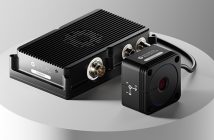
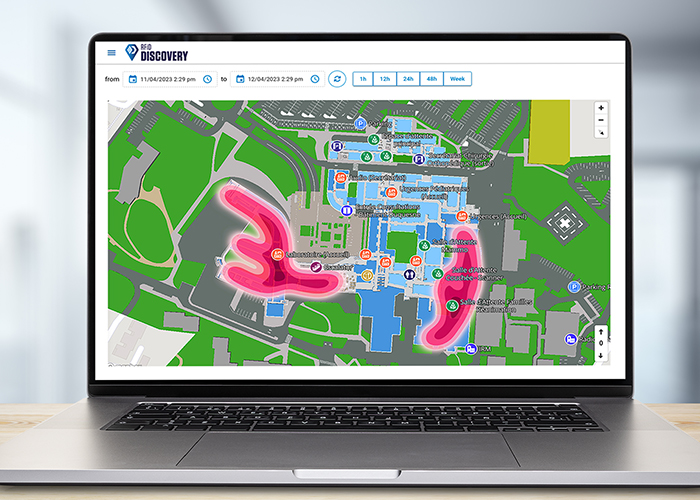
Location data is captured through BLE gateway readers and anchors installed throughout the facility and fed into a central platform that provides dashboards, alerts and detailed reports. When an infection is identified, prevention teams can quickly determine who may have been exposed, where interactions occurred and which areas require targeted cleaning or further investigation.
According to RFiD Discovery General Manager Arron Duddin, timely and accurate information is critical to effective infection control. By providing clear visibility of interactions between patients, staff and assets, the solution is intended to support faster response times and reduce the risk of onward transmission.
From a smart cities and digital health perspective, the system reflects a broader shift toward data-driven hospital operations, where real-time location services are used not only for infection control but also for safety, efficiency and resource optimisation. The platform supports configurable risk rules, allowing hospitals to tailor proximity thresholds and exposure criteria to different infectious diseases and local policies.
The solution is designed to integrate with existing hospital systems and can be deployed as a standalone capability or expanded into a broader real-time location services framework. Beyond contact tracing, the same infrastructure can support asset tracking, patient flow optimisation, sterilisation tracking and automated cleaning workflows.
As healthcare systems continue to balance infection risk with operational efficiency, automated contact tracing technologies are increasingly being viewed as a practical tool for improving resilience, protecting staff and patients, and supporting safer, more responsive hospital environments.