

Micro-dramas — serialised shows made up of short, smartphone-focused episodes — are growing rapidly and could make digital entertainment harder to disengage from as platforms increasingly rely on algorithms and generative AI to maximise viewing time, according to a University of Auckland researcher.
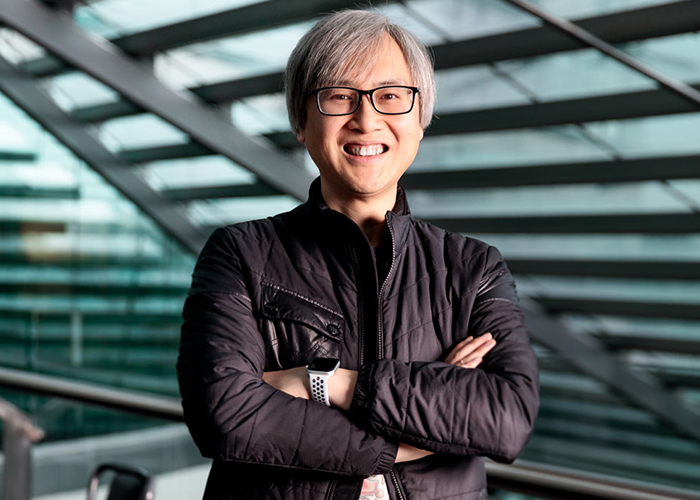
In an article titled Where the brake slips: A feedback view of the micro-drama platform, Dr Johnny Chan, a senior lecturer in information systems at the University of Auckland Business School, examines how micro-drama platforms are designed to keep users watching, often ending episodes on cliffhangers before asking viewers to pay to continue.
Chan points to the format’s expansion in China, where industry estimates put micro-drama revenues at US$7 billion in 2024. Chinese platforms are also reportedly releasing hundreds of AI-generated micro-dramas a day.
Drawing on existing research and industry evidence, Chan developed a conceptual model suggesting consumption is driven by reinforcing feedback loops between viewers, recommendation algorithms, content creators and platform business incentives. He argues this dynamic cannot be explained solely through individual behaviour.
“They might turn off the television because the third episode of a formula is less surprising than the first. In each case, the system had a built-in brake,” Chan says, describing how audiences traditionally tire of repetition.
However, he argues generative AI could weaken that “brake” by enabling entertainment platforms to rapidly and continually produce new, targeted story variations, potentially delaying the point at which people lose interest.
“The result may be an entertainment system in which the forces encouraging people to keep watching increasingly outweigh those encouraging them to stop,” says Chan.
The research also raises regulatory questions. Chan argues micro-drama platforms blend elements commonly regulated separately — media, advertising and gambling — and that existing proposals such as time limits, age restrictions and warning labels may reduce viewing but do little to change platform systems designed to maximise engagement.
Chan says more effective interventions could focus on platform operations, including introducing pauses between episodes, improving payment transparency, increasing scrutiny of recommendation algorithms and changing incentives that reward platforms for longer viewing times.
“The micro-drama platform is one of the clearest examples of a class of digital practices that have crossed a behavioural threshold in plain sight, and it will not be the last,” Chan says.