
Melbourne-based Hadean Energy has been awarded more than $15 million from the Australian Renewable Energy Agency (ARENA) to scale a CSIRO-developed solid oxide electrolysis technology that uses industrial waste heat to reduce electricity use in hydrogen production.
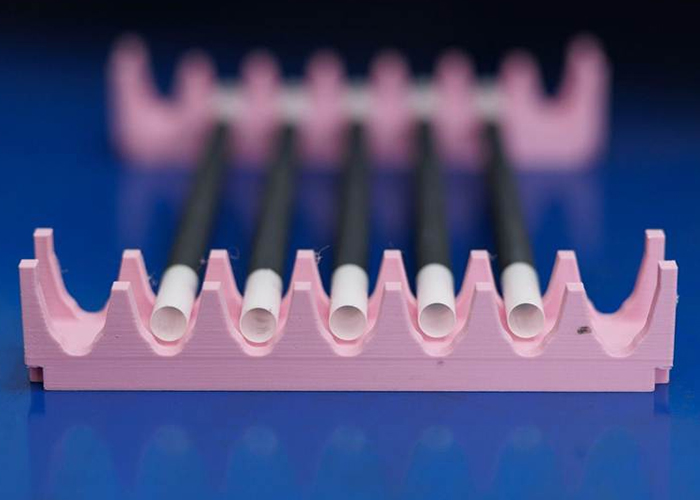
The company said its tubular Solid Oxide Electrolyser (tSOE) is designed to use waste heat and steam generated by industrial plants, cutting electricity requirements by up to 30 per cent compared with conventional hydrogen production. Hydrogen is widely used across steelmaking, fertiliser and chemical production, and refining, but much of today’s supply is produced from fossil fuels.
Hadean said the technology can also produce synthesis gas (syngas) for use in low-carbon fuels such as sustainable aviation fuel and renewable diesel, through a process that combines steam and carbon dioxide.
The company positioned the project within broader concerns about supply chain exposure for fuels and fertiliser, saying domestic production of hydrogen and syngas using renewable electricity and existing industrial heat sources could improve resilience against price volatility and supply disruptions.
Hadean CEO Liz Boylan said the company’s aim is to make lower-emissions industrial production more economically viable.
“Ultimately this is about finding a cheaper and more efficient way to make the products we all rely on while significantly reducing the associated emissions,” Ms Boylan said. “There is already a large industrial market for hydrogen in Australia and internationally. Hadean wants to give existing users a cleaner, more efficient way to produce it, using the heat they are already generating. If we can prove that at commercial scale, it has the potential to change the economics of clean hydrogen for some of the hardest industries to decarbonise. Our technology also has a pathway to produce synthesis gas for the rapidly expanding renewable fuels market, including for the aviation, mining, transport and shipping sectors.’”
Proven in a working steelworks
Hadean was co-founded by CSIRO and RFC Ambrian to commercialise research developed over about eight years. The company said its tubular design differs from conventional high-temperature electrolysers that use flat ceramic cells, and is intended to simplify manufacturing and improve durability. Hadean said the design avoids rare and expensive metals and could reduce capital and operating costs.
According to Hadean, the technology completed a 1,000-hour pilot at BlueScope’s Port Kembla Steelworks, using steam generated by the steelmaking process. The company said the system produced hydrogen using less than 36kWh of electricity per kilogram, compared with around 50–55kWh typically required by other electrolyser technologies.
“Hydrogen is not a new commodity. It is already an essential feedstock for industries including fertilisers, fuels and chemicals, yet most of it is still produced using natural gas and coal. What sets the Hadean technology apart is its ability to harness steam and waste heat to significantly reduce the electricity required to produce hydrogen. Combined with materials and cell designs developed to deliver high performance and durability under industrial operating conditions, these attributes are critical to translating high-temperature electrolysis from promising research into an industry-viable technology capable of operating at scale.” – Dr Gurpreet Kaur, CSIRO Senior Research Scientist
“The Hadean technology can also convert steam and carbon dioxide directly into synthesis gas, or syngas, one of the most important building blocks in the chemical industry. Through co-electrolysis, steam and carbon dioxide are converted into hydrogen and carbon monoxide in a single electrochemical step, enabling the syngas composition to be tailored to downstream production requirements. This provides a more direct pathway to fuels, chemicals and materials while creating an opportunity to utilise carbon dioxide as a valuable industrial feedstock rather than treating it solely as waste emissions.” – Dr Sarb Giddey, CSIRO Senior Principal Research Scientist
Scaling towards commercial deployment
ARENA is providing $15 million towards a $30 million project to scale the technology to an industrial demonstration, with Hadean aiming to support future commercial deployment.
The project is designed to scale the technology to a 200–300kW industrial demonstration and move it from Technology Readiness Level 6 to 9. The first phase includes further technology development, engineering and design, manufacturing development, procurement, safety work and site integration planning, followed by construction, commissioning and operation.
“Green hydrogen has an important role to play in reducing emissions from industries like steelmaking, chemicals and fuel production, but lowering production costs remains one of the sector’s biggest challenges. Hadean’s technology has the potential to produce hydrogen using significantly less electricity than conventional electrolysers, helping improve efficiency and reduce costs for industrial users.
This project will demonstrate Australian-developed technology in a real industrial environment, providing valuable evidence of its performance and helping take it another step towards commercial deployment. If successful, it could support lower-emissions steelmaking, strengthen Australia’s manufacturing capability and create new opportunities for Australian hydrogen technologies both here and overseas.” – Darren Miller, CEO Australian Renewable Energy Agency
Engineering firm Amarna Energy is delivering balance-of-plant design for the demonstration and has also invested in Hadean as part of the round.
“We don’t often put our own money into the projects we work on, but Hadean was an easy decision. The Port Kembla results showed this technology works in a real industrial environment, and that’s what gets engineers interested. Our job now is to design the plant around the electrolyser so it sits properly inside an operating industrial site, safely and reliably, and gives the technology a fair test at a scale that means something to future customers.
“Hadean is going after industries that already use a lot of hydrogen and already produce a lot of waste heat. That’s a practical way to commercialise, and it’s why we wanted to be part of it from the start. Taking CSIRO science and turning it into something that can be built, operated and eventually rolled out across Australian industry is exactly the kind of work we want to be doing.” – Amarna Energy Director Andrew Lelliott
Australian investors back the technology
Hadean said it has separately secured investment to cover its contribution to the project, enabling early engineering, design and development work to proceed and for ARENA funding to be drawn down.
Investors in the round include RFC Ambrian Funds Management, Amarna Energy and private investors. The funding will support engineering and development work ahead of construction of the larger demonstration system.
“Investors want evidence that technologies work, that they solve a genuine economic problem and that there are customers who need them,” Mr Adamson said. “Hadean has spent the past several years building that evidence. Australia produces exceptional science and Hadean is an opportunity to build a globally significant Australian company around it.” – RFC Ambrian Executive Chairman Rob Adamson
Hadean said it expects to raise additional capital over the next 12 months for the construction phase and broader activities.
Building Australian industrial capability
The company said producing hydrogen onsite could reduce reliance on transported hydrogen and support domestic manufacturing of products including steel, fertiliser and fuels.
“This is Australian science, commercialised here at home. If we get this right, Australia has an opportunity not only to reduce emissions from our own industries, but to manufacture at scale and export the technology, driving global emissions reductions.” – Hadean CEO Liz Boylan