

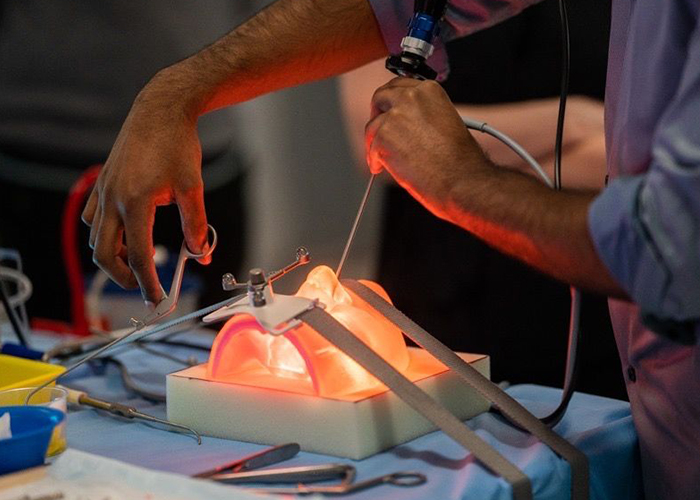
Dentists could soon have access to more realistic 3D advanced manufactured dental models for training and procedure planning, under an $800,000 collaborative research project involving Fusetec, Adelaide University and the Additive Manufacturing Cooperative Research Centre (AMCRC).
The 18-month project is aimed at developing biomimetic dental training models designed to replicate the anatomy of human teeth, jawbone and soft tissue, as well as how they respond during surgery.
The models are intended to help clinicians plan and practise complex procedures such as wisdom tooth removal, with the project partners citing improved surgical confidence and better patient outcomes as intended benefits.
According to the release, the project builds on an existing collaboration between Fusetec and Adelaide University, and will combine dental research, biomaterials and advanced manufacturing to support commercialisation of an Australian-made medical training platform.
Fusetec CEO Mark Roe said the work is focused on translating research into a product for clinical use.
“This collaboration allows us to turn years of research into a commercially viable product with real clinical value,” Roe said.
“We’re developing dental models that don’t just look like anatomically correct – they respond like real tissue during surgery. That gives clinicians greater confidence when planning procedures while providing a for more realistic training experience.”
Associate Professor Ling Yin, from Adelaide University’s School of Electrical and Mechanical Engineering, said the project is seeking to address limits in existing dental training models.
“Every patient presents differently, yet existing training models cannot accurately replicate the feel and behaviour of human dental tissue,” Associate Professor Yin said.
“By combining advanced clinical imaging with additive manufacturing, we can create dental models that better mimic real anatomy and help clinicians understand the forces involved in complex tooth removal procedures.”
The project will integrate clinical imaging, digital modelling and multi-material additive manufacturing to produce patient-specific dental replicas, the release said. Researchers are also expected to develop simulation tools to better understand fracture force thresholds during surgery, with the aim of supporting safer and less invasive clinical practice.
AMCRC Managing Director Simon Marriott said the project reflects an industry-led research approach and has potential implications for Australian manufacturing.
“The opportunity starts with industry. Fusetec identified a clear clinical challenge and partnered with Adelaide University to develop an advanced manufacturing solution with strong commercial potential,” Marriott said.
“Projects like this show how additive manufacturing can help Australian companies develop globally competitive medical technologies that improve healthcare while strengthening sovereign manufacturing capability.”