

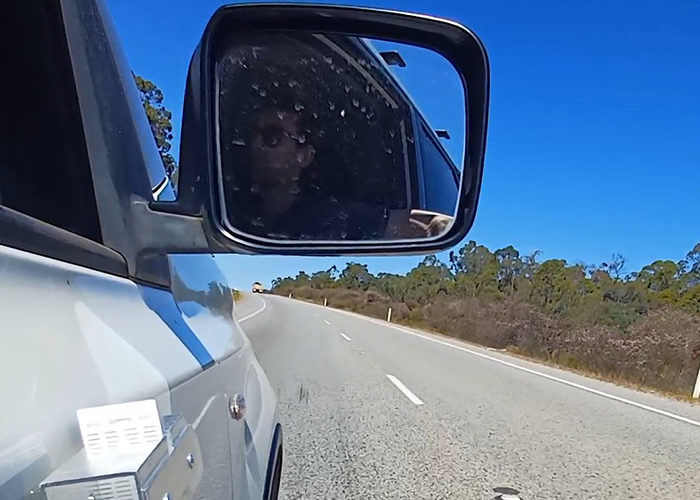
Curtin University researchers have detected traces of hundreds of plants and animals by collecting DNA from the air as they drove more than 1,100km across Western Australia.
The study examined whether a car-mounted air sampler could be used to monitor biodiversity across large areas, including detecting pest species that could pose risks to agriculture and the environment.
Researchers collected air samples along a route from Cottesloe to Cocklebiddy, taking samples about every 26km as they travelled through forests, farmland and inland regions towards the Nullarbor.
By analysing the genetic material collected, the team identified 633 different types of plants and animals, including native wildlife, insects and invasive species.
Lead author Dr Joshua Newton from Curtin’s School of Molecular and Life Sciences said the research indicated that DNA collected from the air could show patterns in biodiversity across different environments.
“Every environment has its own mix of plants and animals, and we wanted to see whether we could detect those differences simply by collecting DNA from the air as we travelled,” Dr Newton said.
“Across more than 1,100km, we detected hundreds of different types of plants and animals. Importantly, the results showed the DNA we collected reflected differences in the landscapes we travelled through.”