
GSMA has warned that rising smartphone component costs risk widening a global divide in access to artificial intelligence, with billions of people still unable to use mobile internet despite living within broadband coverage.
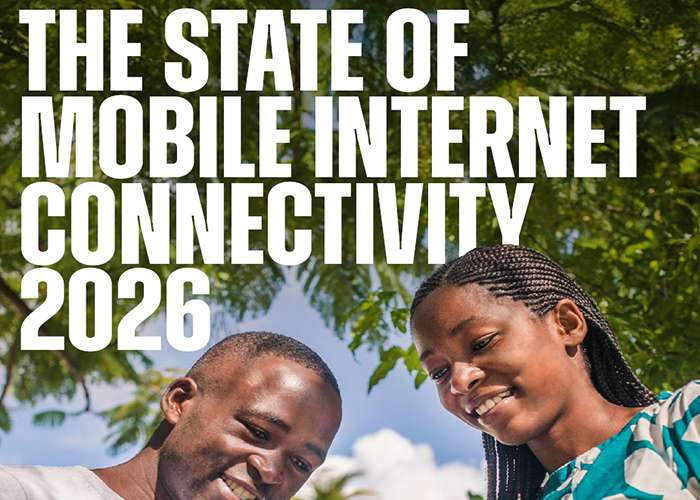
The warning accompanies the launch of the State of Mobile Internet Connectivity (SOMIC) Report 2026, which says 3.4 billion people do not use mobile internet, even though more than 90% live in areas covered by mobile broadband networks. GSMA argues that without affordable smartphones, many of these users will be excluded from AI-enabled services and the broader digital economy.
The report points to higher costs for smartphone memory and chipsets, linking the increases to global demand for AI infrastructure and data centres. It says the rising input costs are already flowing through to entry-level handset prices, potentially reversing progress in closing the “usage gap” in low- and middle-income countries.
GSMA is calling on chipset and memory manufacturers to increase the availability of affordable components for entry-level devices, and to engage with mobile industry stakeholders, policymakers and multilateral financial institutions on potential solutions.
Vivek Badrinath, Director General of the GSMA, said: “Artificial intelligence has the potential to improve lives on an unprecedented scale, but AI is meaningless if people cannot get online in the first place. The greatest risk is not simply an AI divide between countries, but between people who can afford to participate in the digital economy and those who cannot.”
“Unless we protect the affordability of entry-level smartphones, billions of people risk being excluded from the next generation of digital services before they have even had the opportunity to experience the internet. The current memory price increases make this a clear and present danger. Preventing that outcome requires coordinated action from policymakers, mobile operators, device manufacturers and component suppliers alike. We call upon all parties to mobilise all possible tools, both on the production side and on the distribution and taxation areas, and to take measures to ease reuse of devices.”
According to the report, 4.8 billion people now use mobile internet on their own device, but growth is slowing. It says around 160 million people came online in 2025, down from 190 million the year before, while 3.1 billion people live within mobile broadband coverage but do not use mobile internet.
The SOMIC report identifies handset affordability as the largest barrier to mobile internet adoption across surveyed low- and middle-income countries, followed by lack of digital skills. It says that by the end of 2025, an entry-level internet-enabled handset cost the poorest 20% of people in those markets the equivalent of 44% of their average monthly income, rising to 76% in Sub-Saharan Africa.
GSMA analysis in the report suggests that, until a year ago, reducing the price of entry-level smartphones to $30 could have made devices affordable for almost 1.6 billion people, while a $20 price point could have made them affordable for around 2.2 billion people living within mobile broadband coverage. However, it says continued memory price increases are putting those price points out of reach, despite efforts by operators and manufacturers, including the GSMA’s Handset Affordability Coalition.
The report cites Counter Point Research data indicating memory prices more than doubled between the third quarter of 2025 and the first quarter of 2026, then rose a further 80–90% during the second quarter of 2026. It says entry-level smartphone prices have increased sharply and forecasts the largest annual decline on record for global smartphone shipments, driven primarily by a downturn in the sub-$100 segment, with emerging markets expected to be most affected.
GSMA also links the usage gap to broader economic outcomes, citing previous analysis that estimated closing the gap could generate $3.5 trillion in additional GDP between 2023 and 2030, with more than 90% of benefits flowing to low- and middle-income countries.
The report argues that handset affordability, alongside barriers such as low literacy, digital skills, safety and security concerns, and the availability of relevant content and services, will influence whether AI-enabled services in areas such as healthcare, education, financial services and public services can be adopted more inclusively.
You can read the full report here.