

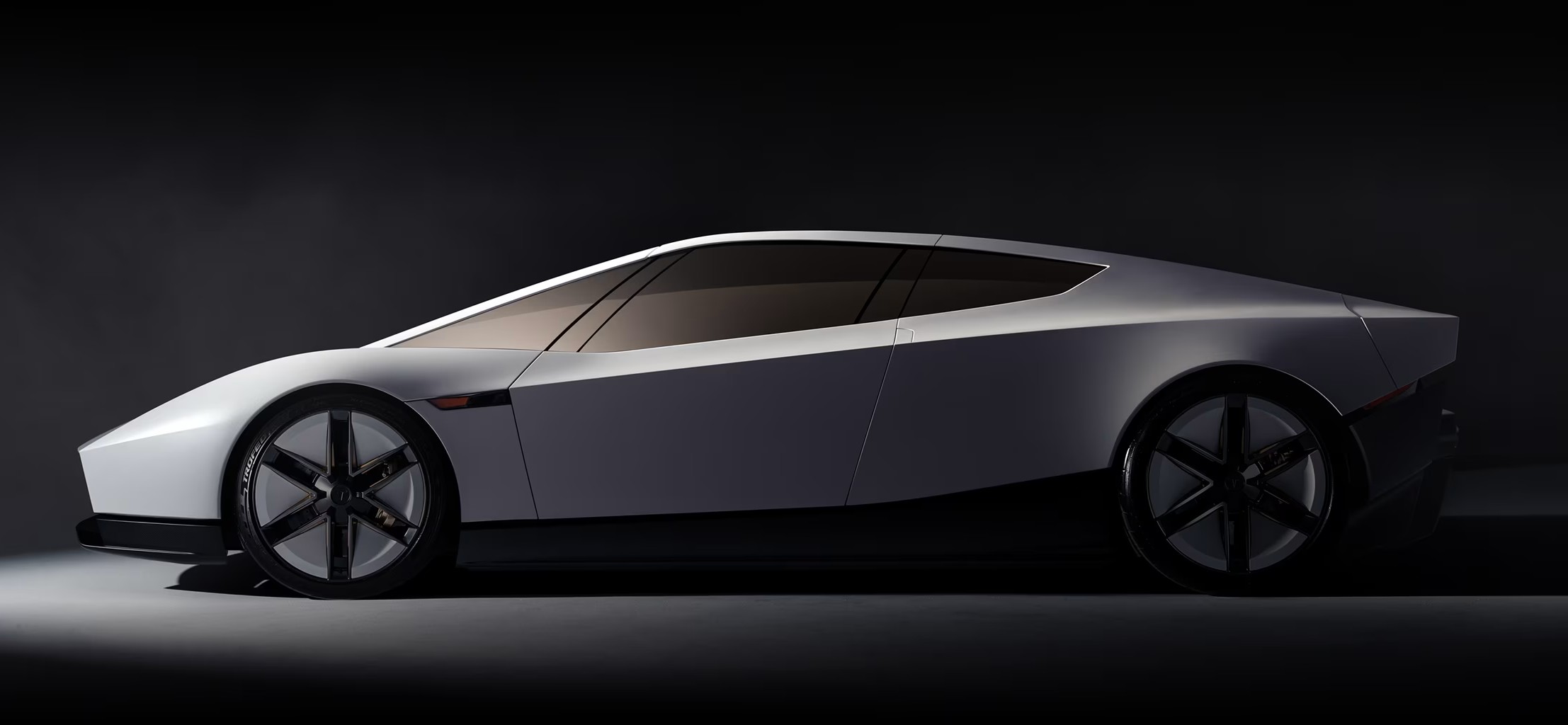
Tesla has unveiled its long-awaited second-generation Roadster, presenting an all-electric high-performance sports car that incorporates aerospace-inspired technology developed in collaboration with Elon Musk’s SpaceX.
The October 2026 unveiling marks a significant milestone for a vehicle originally announced in November 2017, with Tesla positioning the new Roadster as a demonstration of the performance limits of electric propulsion and advanced vehicle engineering.
The Roadster is intended to showcase technologies extending beyond conventional electric vehicles, combining extreme acceleration, aerodynamic performance and an unconventional propulsion system.
Tesla’s published Australian specifications list acceleration from 0 to 100 km/h in 2.1 seconds, a top speed exceeding 400 km/h and a driving range of approximately 1,000 kilometres. These figures remain manufacturer claims rather than independently verified production-vehicle performance results.
The company also describes the Roadster as a four-seat electric supercar, featuring a lightweight removable glass roof that can be stored in the boot to provide an open-air driving experience.
A central feature of the latest Roadster development is the integration of SpaceX-derived propulsion technology. Musk has previously discussed using rocket-inspired thrusters to deliver acceleration and vehicle dynamics beyond those achievable through conventional electric motors and tyres.
The technology represents a departure from traditional automotive engineering, introducing potential applications of aerospace propulsion systems to road vehicles.
However, the distinction between a technology demonstration and a commercially available vehicle remains important. Tesla has yet to establish that all the demonstrated capabilities can be incorporated into a production model that meets applicable road safety and regulatory requirements.
The Roadster also carries considerable historical significance for Tesla. The company’s original Roadster, introduced in 2008, helped establish the commercial potential of high-performance battery-electric vehicles.
In his original 2006 Tesla master plan, Musk outlined a strategy of beginning with an expensive electric sports car before using the resulting technology and investment to develop more affordable vehicles.
The second-generation Roadster returns to that high-performance positioning, although Tesla is now an established global electric vehicle manufacturer with a substantially broader portfolio of automotive, energy and autonomous driving technologies.
The latest unveiling comes after repeated changes to the Roadster’s development schedule. Originally expected to enter production in 2020, the vehicle has experienced a series of delays, making the transition from prototype demonstration to customer deliveries a critical measure of the programme’s progress.
Tesla continues to accept reservations for the Roadster, but its published vehicle information does not establish a guaranteed customer delivery date.
The Roadster’s ultimate significance will depend on whether Tesla can translate its ambitious performance and aerospace technology claims into a commercially viable production vehicle.