

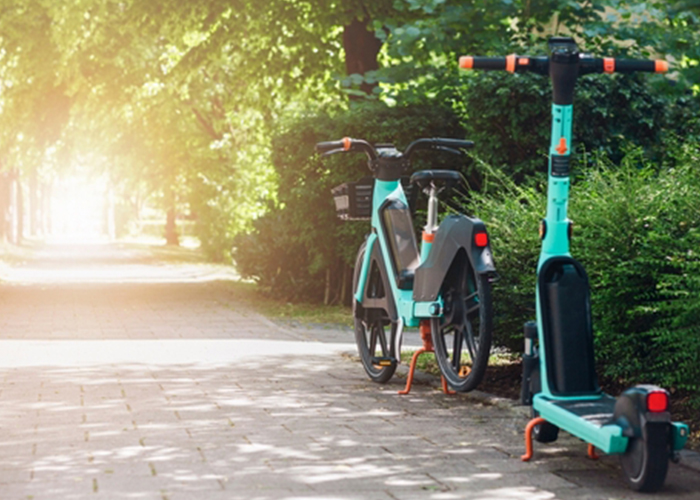
Electric scooters are shifting from novelty transport to a mainstream commuter and delivery option, as manufacturers compete for a market projected to grow sharply over the next decade.
Global Market Insights estimates the electric scooters market was worth about USD 27.5 billion in 2025 and could reach roughly USD 88.1 billion by 2035, a compound annual growth rate of 12.5%.
While unit sales are expected to rise from about 21 million to roughly 40 million over the period, revenue is forecast to grow faster, driven by higher average prices. The report cited average scooter prices increasing from around USD 1,300 to more than USD 2,100, as buyers pay for improved motors, longer range, removable batteries and connected features.
Asia-Pacific is expected to remain the largest regional market, accounting for nearly three-quarters of global revenue, estimated at about USD 20.6 billion. China continues to supply much of the world’s scooters, batteries and electronics, though the report notes its domestic market has faced disruption as safety standards tightened and older inventory was cleared.
India is highlighted as a key growth market, with about 1.28 million electric two-wheelers sold in 2025. The report points to established manufacturers overtaking start-ups in sales rankings, suggesting distribution, service coverage and manufacturing capacity are increasingly important as the category matures. It also links growth to policy measures such as incentives including the PM E-DRIVE scheme, and estimates electric’s share of India’s two-wheeler sales rose from under 1% in 2020 to more than 8% in 2026.
The report identifies three main drivers for adoption: lower running costs compared with petrol, policy settings such as subsidies and emissions rules, and battery technology improvements. Lithium-ion batteries account for about 85% of revenue, but Global Market Insights points to emerging alternatives including sodium-ion systems aimed at lower-cost urban use, and semi-solid-state cells being tested for premium and fleet models.
In terms of product types, fixed-frame scooters account for close to half of revenue, according to the report. Folding scooters are forecast to be the fastest-growing segment, at more than 13% a year, supported by demand for portability for commuters combining scooters with public transport. Seated, motorcycle-style models are also gaining share as some consumers use scooters as replacements for petrol bikes rather than short-distance devices.
Global Market Insights also flags barriers that could slow growth, including charging access for apartment dwellers and delivery fleets, the upfront cost of vehicles in emerging markets, and safety concerns driven by battery fire incidents. It notes regulators in China and the United States are pushing manufacturers toward certified battery packs and improved charging systems, which can raise costs in the short term.
Supply-chain concentration is another risk factor cited. The report points to 2025 restrictions on rare-earth magnet exports as having disrupted production for some Indian manufacturers, including a fall in output at Bajaj, underscoring exposure where critical components depend on a single region.
The competitive landscape remains fragmented, with Global Market Insights estimating market leader Yadea holds about a 9.7% revenue share. Other major brands cited include AIMA, Xiaomi, NIU and Segway-Ninebot, with the top five collectively accounting for about 32% of the market.
Looking ahead, the report forecasts slower growth in Europe at about 9.7% a year, citing differing national rules and more mature segments, while North America, Latin America and the Middle East and Africa are smaller but expanding markets with varying needs around financing, charging and service infrastructure.
Source: https://www.gminsights.com/industry-analysis/electric-scooters-market